Houston TRANE
HVAC Solutions for Houston Retail & Restaurants
Create spaces shoppers want to linger in and diners want to revisit – without energy costs spiking. Houston Trane connects you with local installers and right-fit Trane and Mitsubishi systems. Add modern, connected controls, and you’ll see clearly across one store or an entire portfolio.
Retail & Restaurants
Who Our Dealers Help
National & regional retail chains, big-box and anchors
Standardized comfort, portfolio-level controls, and fast rollouts that keep brand specs consistent across locations.
Grocery & specialty food markets (sales floor + prep)
Tight temperature and humidity control to protect perishables, maintain comfortable aisles for shoppers, and retain balanced back-of-house ventilation.
Quick-serve, fast casual & full-service restaurants
Kitchen heat and odor management, quiet dining rooms, demand-controlled ventilation, and clean after-hours scheduling.
Strip centers, lifestyle centers & mall in-lines
Suite-by-suite zoning for different tenants, quick Tenant Improvement (TI) turnarounds, and discreet equipment that fits finished spaces.
Cafés, bakeries, coffee shops & kiosks/food halls
Small-footprint solutions with precise humidity and airflow help espresso bars, pastry cases, and shared halls stay comfy and inviting.
Houston Realities
What’s Different About Retail & Restaurants
In retail and food service, the feel of the space shows up in sales, dwell time, and reviews. Houston adds heat, humidity, and door-cycling to the mix. Your HVAC has to be smarter, faster, and quieter than a typical business setup.
IEQ = Experience
Temperature, humidity, air quality, and acoustics shape shopper comfort, food appeal, and staff stamina. Better IEQ = longer visits, higher basket sizes, fewer complaints.
Mixed Loads
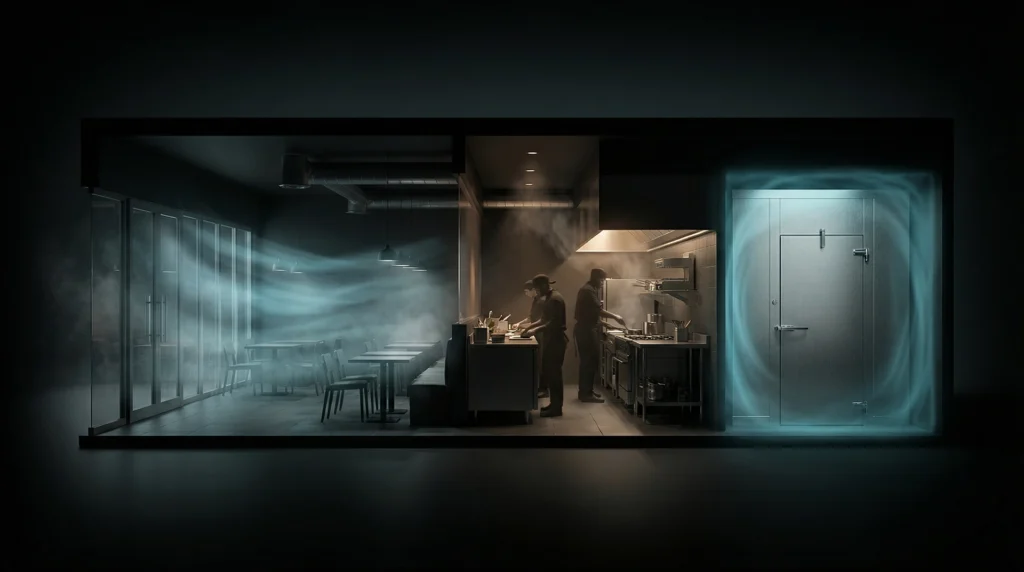
Kitchens, glassy storefronts, walk-in coolers, and fluctuating foot traffic create competing temperature zones. Suite-level control keeps dining rooms calm while back-of-house stays safe and cool.
Speed to Market
TI timelines are tight. Clean, fast retrofits with minimal downtime protect openings, promos, and weekend traffic.
Opex Pressure
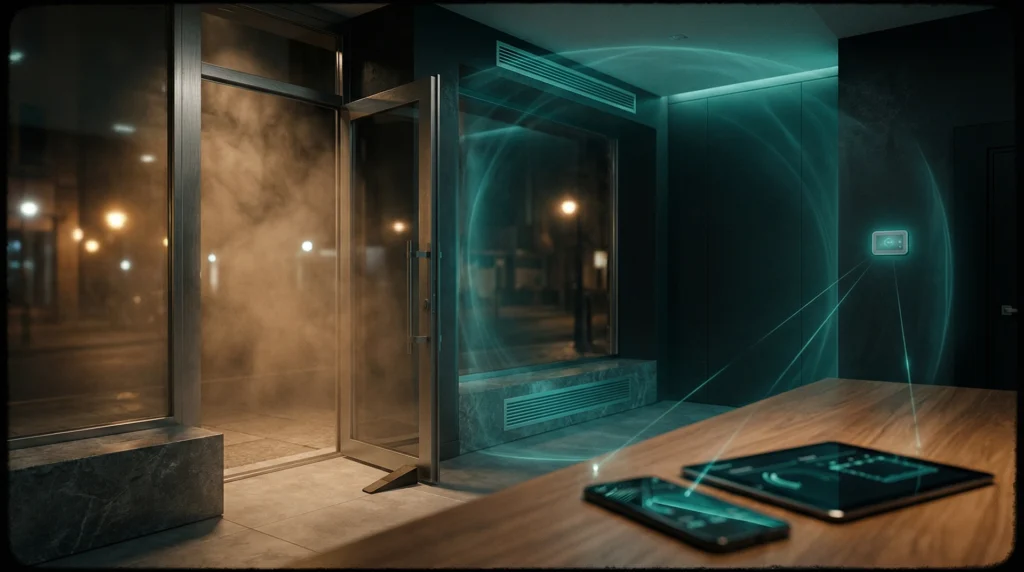
After-hours conditioning, propped doors, and drifting setpoints can quietly inflate utility bills. Smart scheduling and guardrails rein it back in.
Compliance & Food Safety (Restaurants)
Right-sized outdoor air, makeup air, and pressure balance help manage odors, grease, and moisture - protecting food quality, comfort, and code compliance.
Central vs VRF/Ductless vs Hybrid
Recommended Approaches
There isn’t one right system for every building. The key is matching your loads, layout, and lease requirements to a strategy that’s efficient today and flexible tomorrow.

Central
- Whole-store conditioning with robust scheduling and demand ventilation to keep temps steady during rushes.
- Best for large floorplans. Grocery sales floors, anchors, lobbies, and other consistent-load areas.
- BAS integration for alarms, trend logs, and portfolio reporting so ops teams see issues before guests do.

VRF / Ductless
- Zone-by-zone precision for in-line stores, dining rooms, private rooms, and back-of-house offices.
- Quiet, discreet indoor units (ceiling cassettes, concealed ducted) that preserve finishes and brand visuals.
- Agile for changeouts like reconfigurations, pop-ups, and seasonal merchandising without ripping up ducts.

Hybrid
- Central for core spaces. VRF/ductless for hot spots like storefront glass lines, private dining, or late-hours operation.
- Cuts after-hours waste by conditioning only the zones that stay open.
- Phased TIs without collateral disruption. Add capacity or zoning one bay at a time.
Retail & Restaurant Playbook
HVAC Solutions Map

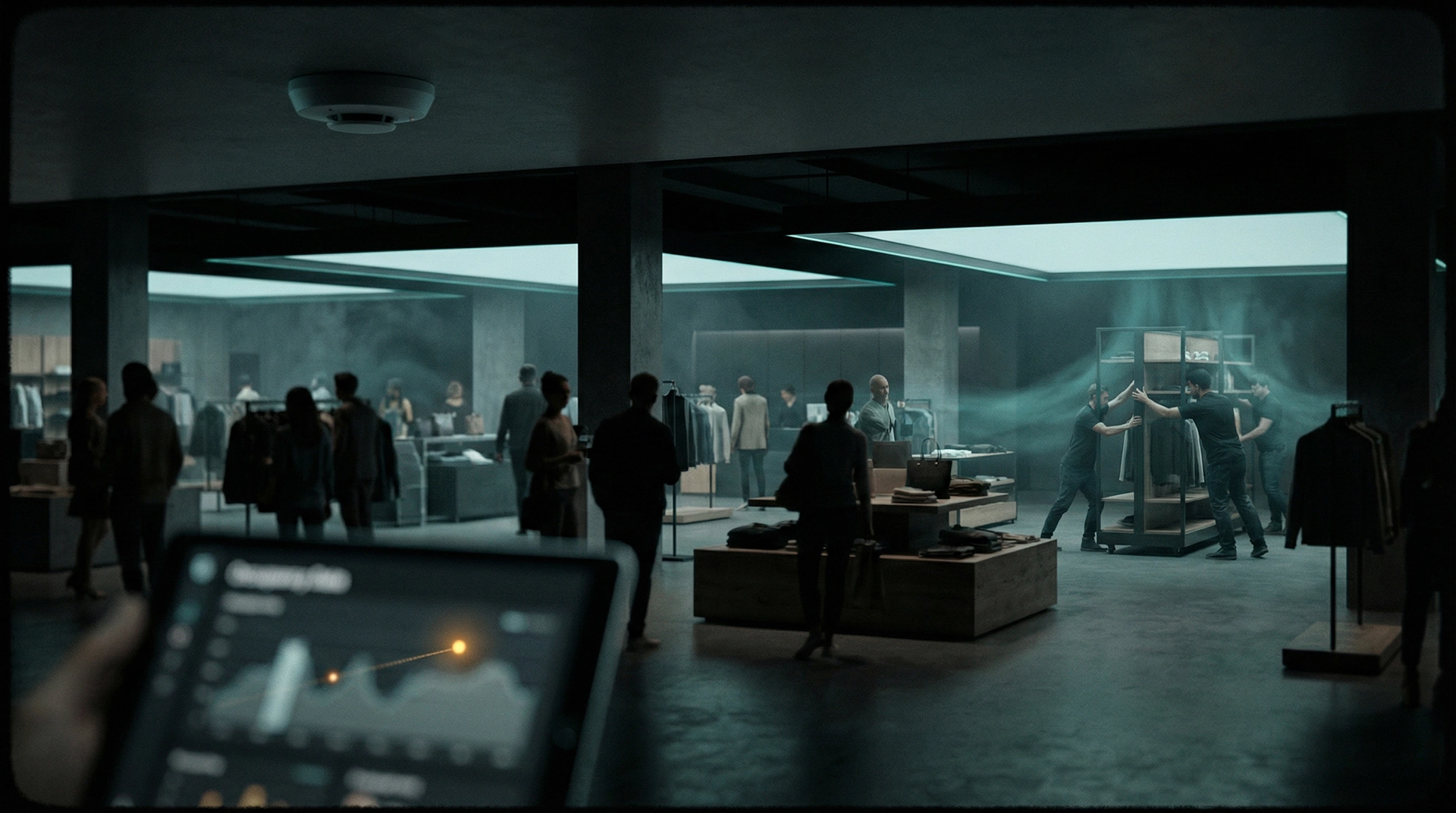
Retail Sales Floors → Trane central + demand ventilation + BAS scheduling
- Even comfort over large areas. Indoor Air Quality (IAQ) tuned to real-time occupancy.
- Daypart/season schedules with alarms that flag drift before customers notice.
- Trend logs confirm floor resets and fixture moves didn’t break comfort.

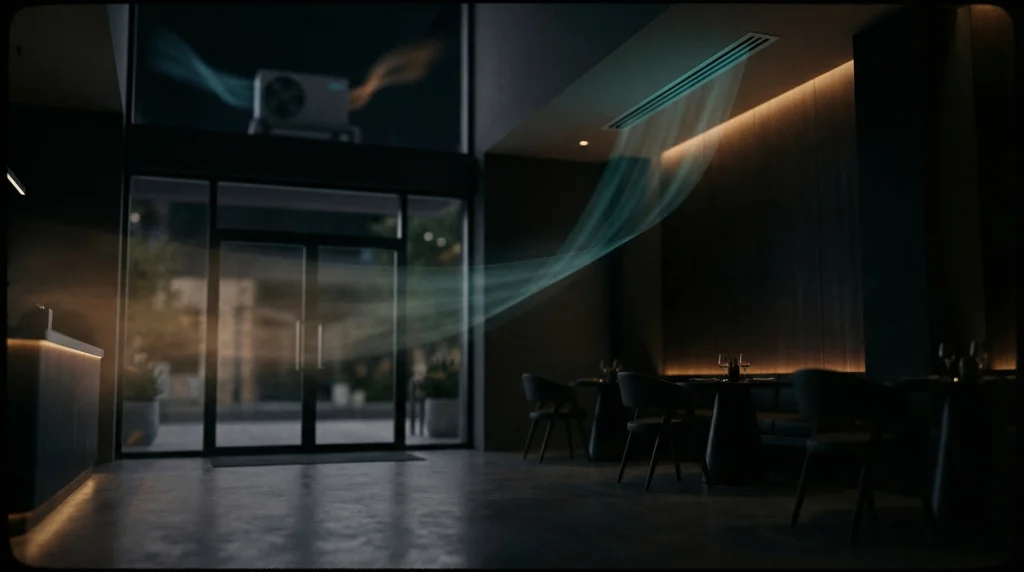
Glass Storefronts & Perimeter Aisles → VRF/ductless cassettes for fine zoning
- Counteracts solar gain without overcooling the rest of the store.
- Discreet, quiet cassettes are adjustable by bay or window.
- Fewer hot/cold complaints and better merchandising zones.
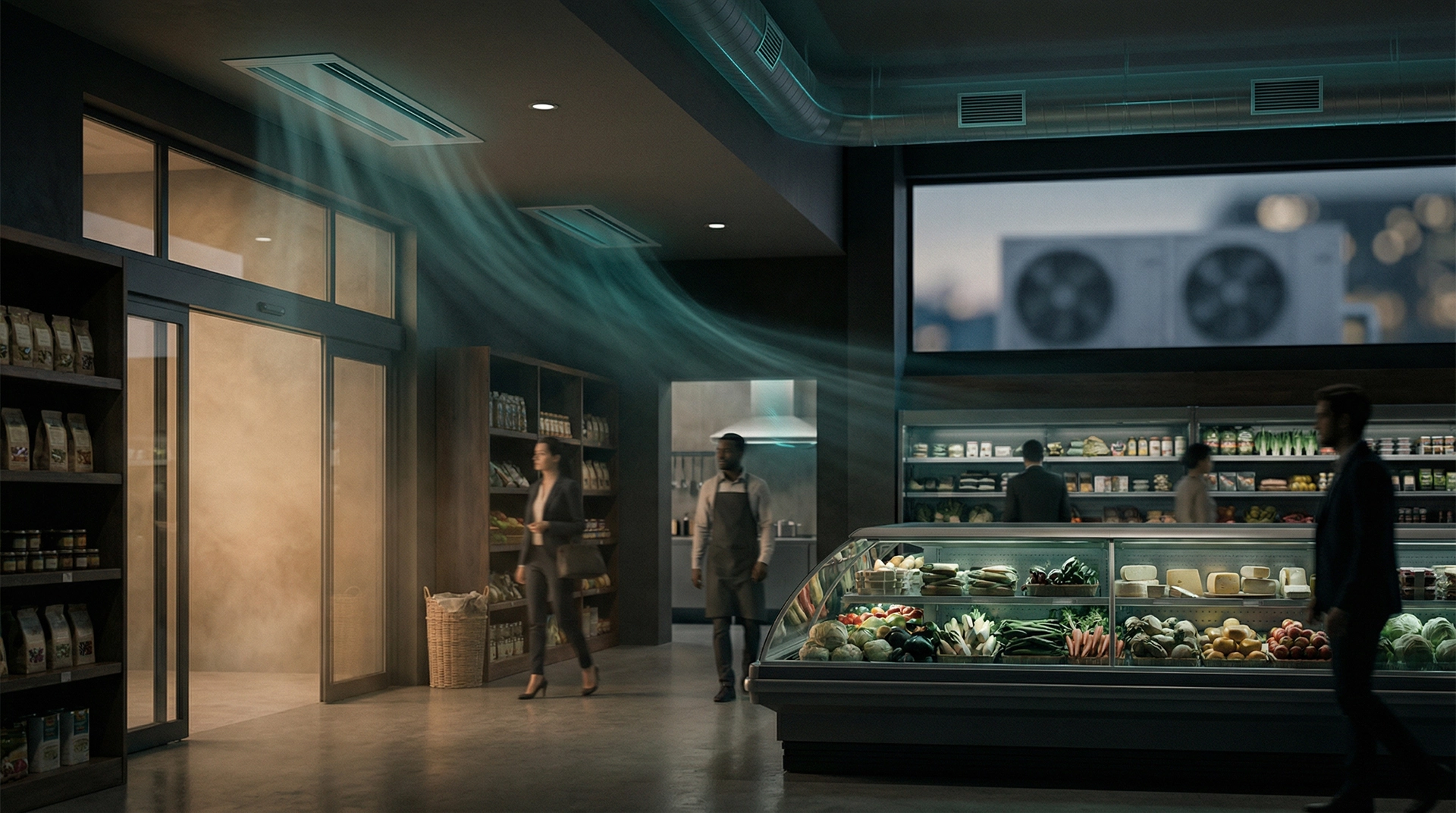
Grocery & Specialty Food Areas → Central + DOAS/ERV for humidity and pressure
- Protects product integrity and the fresh feel shoppers expect.
- Balanced outside air manages odors and moisture at the source.
- Coordinates with refrigeration and heat-rejection strategies.
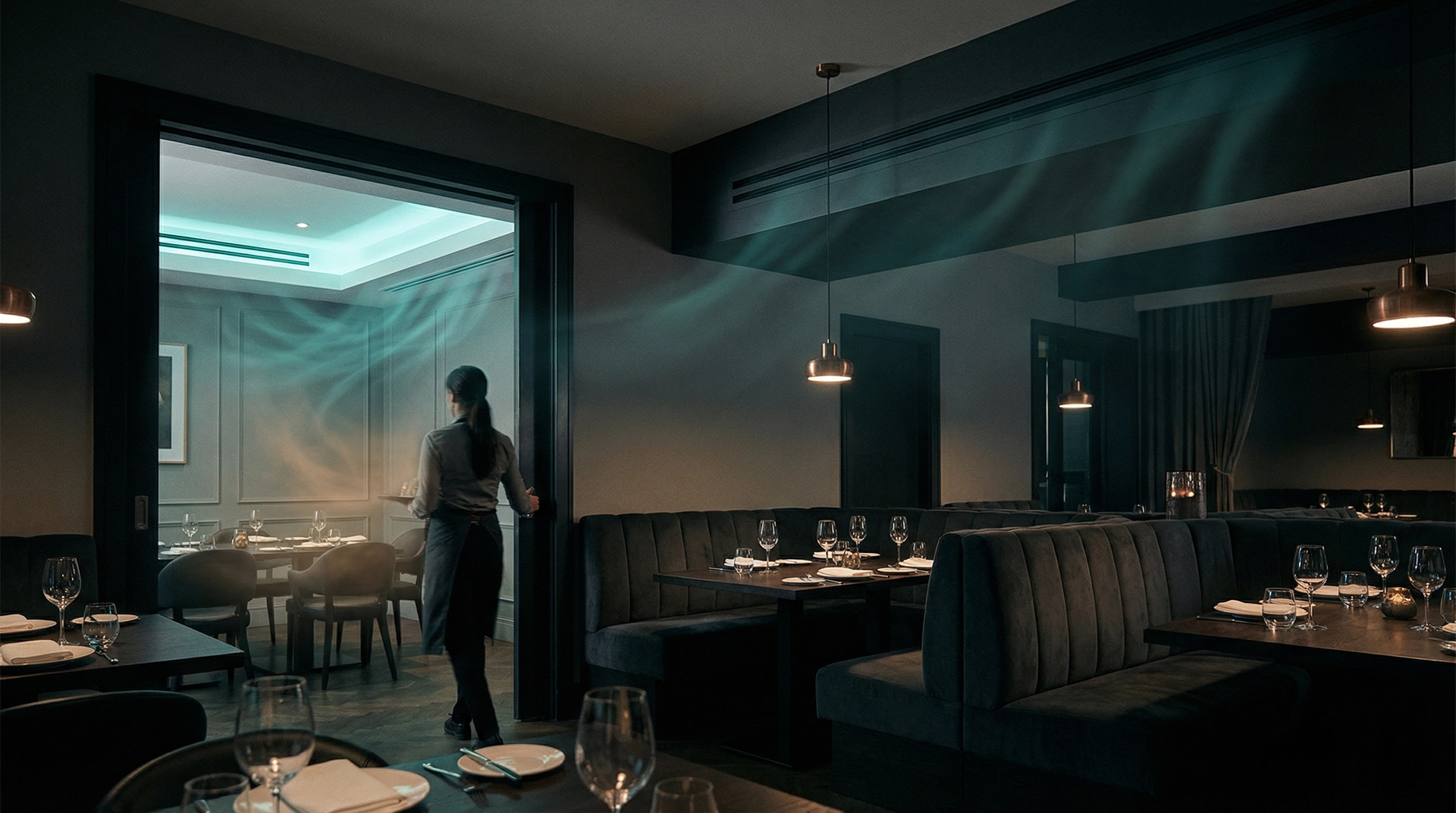
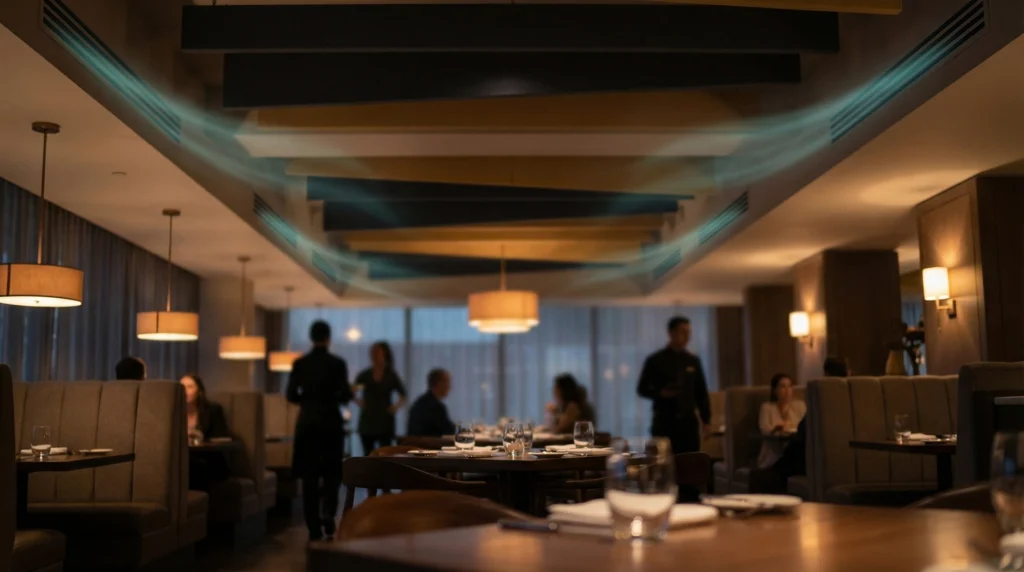
Dining Rooms & Private Rooms → VRF/ductless concealed units + quiet operation
- Low sound levels that keep conversation (and reviews) positive.
- Room-level setpoints for private dining, events, and rush hour.
- Fast response to fluctuating occupancy and door traffic.
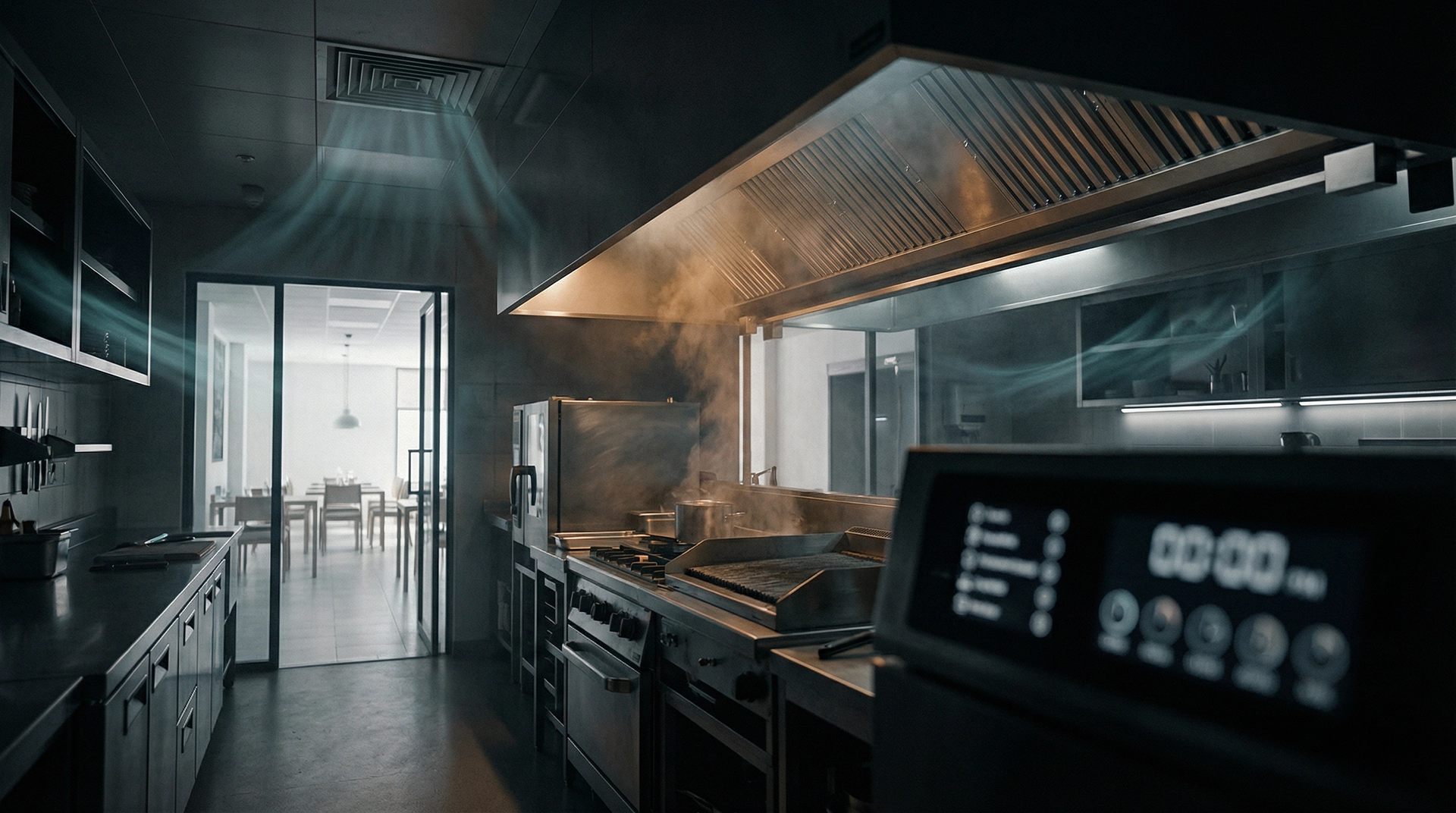
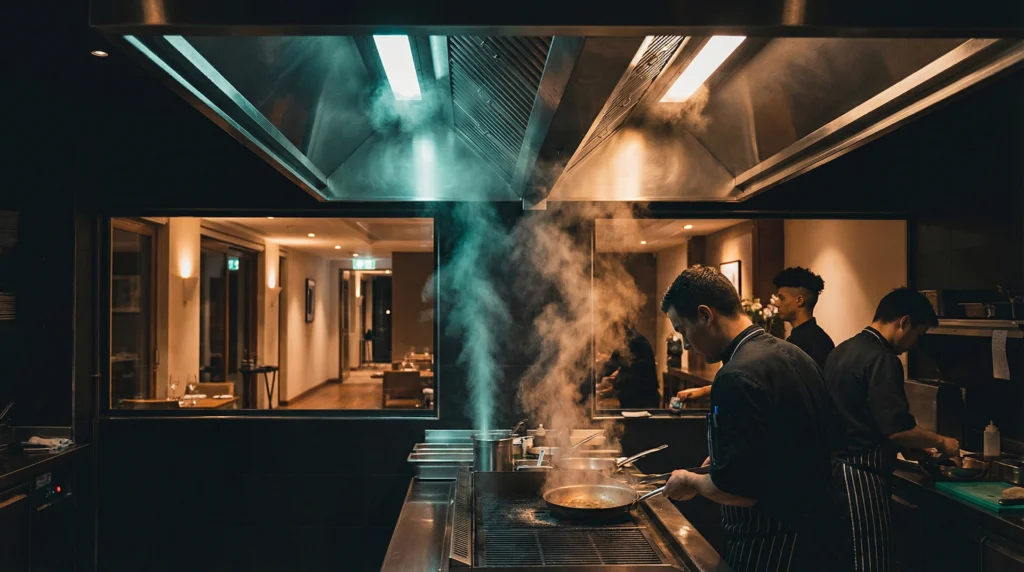
Kitchens & Back-of-House → Dedicated outdoor air + makeup air + pressure balance
- Compliant exhaust with tempered makeup air for safety and comfort.
- Correct pressurization keeps kitchen odors out of dining areas.
- Syncs with hood schedules and after-hours modes to control costs.
Connected Buildings & Controls (BAS + Tenant/Manager Tools)
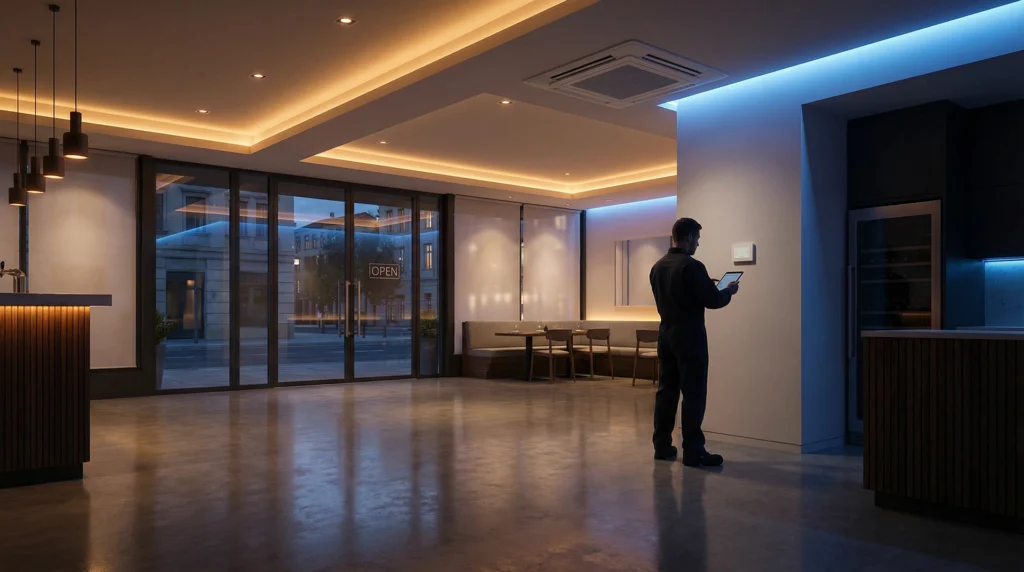
Give your team one source of truth and fewer ‘Who touched the thermostat?’-moments. With connected controls, you can see what’s happening across locations, automate the boring stuff, and keep comfort consistent without bloating the power bill.
BAS & Portfolio Visibility
- One dashboard, many stores: View alarms, trends, setpoints, and schedules from a single window. No more hopping between systems.
- See and solve faster: Spot drift, short-cycling, or humidity creep before it becomes a comfort complaint.
- Prove what’s working: Export trends for vendor verification, budget reviews, and seasonal tuning.
Occupancy & After-Hours Modes
- Condition only what’s in use: Tie schedules to open/close times and dayparts. Dial back during stocking, prep, or lull periods.
- Clean overrides (and cost control): Temporary bumps auto-expire. For multisite operators, after-hours requests can be tracked and billed.
- Smarter demand ventilation: Adjust outdoor air with traffic patterns to protect comfort and cut waste.
Store-Level Guardrails
- Simple controls for managers: Clear presets (e.g., Open, Rush, Close) with narrow ranges. Easy to use, hard to misuse.
- Brand standards stay intact: Corporate sets humidity targets, min/max setpoints, and schedules. Local teams stay within the lines.
- Fewer truck rolls: Many issues resolve remotely with a quick schedule tweak or setpoint correction.
Indoor Environmental Quality (IEQ) & Ventilation Strategy
Great retail and dining experiences don’t happen by accident. They’re engineered in the air. The right mix of filtration, outdoor air, humidity control, and smart exhaust keeps spaces fresh, comfortable, and consistent from the lunch rush to the last transaction.
Filtration & Purification
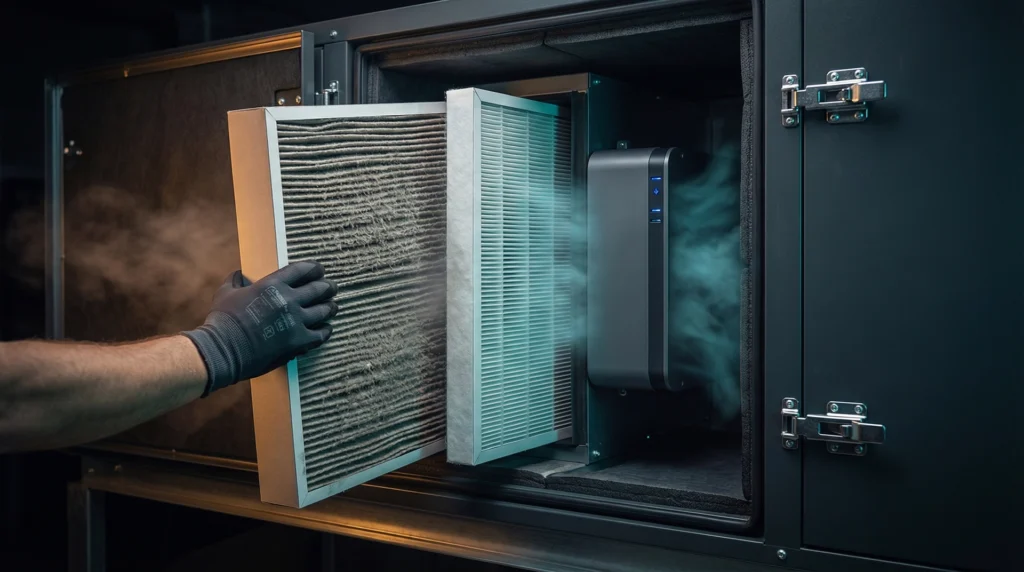
- High-efficiency filters: Capture fine particulates (dust, pollen, traffic carry-in) that drive complaints and allergies.
- Optional purification layers: Add technologies designed to reduce airborne contaminants and odors for better perceived air quality.
- Service-friendly design: Clearly defined filter specs and change intervals keep performance (and peace of mind) steady.
DOAS/ERV (Dedicated Outdoor Air & Energy Recovery)
- Right-sized outside air: Meet code and comfort without flooding the space. Deliver measured ventilation to the sales floor or dining room.
- Humidity control without overcooling: Condition and dehumidify outdoor air before it hits the space, so you’re not chasing sticky conditions with lower setpoints.
- Energy recovery built in: ERVs counter Houston’s heat and moisture, lowering runtime and protecting margins.
A Simple, Proven Framework: Dilute, Exhaust, Contain, Clean
- Dilute (bring in OA): Deliver measured outdoor air to sales floors, dining rooms, and lines to keep CO₂ and odors in check.
- Exhaust (remove contaminants): Pull heat, smoke, grease, and Volatile Organic Compounds (VOCs) from kitchens, restrooms, stockrooms, and printing/copy areas.
- Contain (pressurize & separate zones): Maintain slight positive pressure at storefronts and dining rooms. Keep kitchens and restrooms negative to prevent odor migration.
- Clean (filter/purify): Use the right MERV level and optional purification where risk or sensitivity is higher (host stands, pickup counters, waiting areas).
Your Next Step
Houston-Ready HVAC, Done Right
From glass-front boutiques to full-service kitchens, our dealers will help you design a solution that feels great and runs lean. Start with your ZIP code to connect with local installers and build a plan that fits your footprint, hours, and budget – without the guesswork.