
In a Gulf Coast climate, keeping racks cool and uptime protected isn’t optional. It’s the whole ballgame. Our dealers help data center owners, operators, and design teams plan and support high-performance thermal management, from small edge rooms and on-prem server spaces to colocation sites and purpose-built data centers. We connect you with Trane’s advanced data center solutions plus local expertise shaped by Houston’s heat, humidity, and resiliency demands, so your cooling strategy is as reliable as the workloads you’re running.

On the Gulf Coast, the outside air is hot, wet, and relentless. High ambient temperatures increase condenser lift and make heat rejection tougher, while humidity control becomes a full-time job. If the thermal plant isn’t built for these conditions, efficiency drops and margins get thin fast.
In the Houston area, hurricanes, flooding risk, and grid disturbances are part of the planning assumptions, not edge cases. Cooling systems must be restartable, serviceable, and coordinated with power infrastructure so you can ride through events, recover cleanly, and be ready for the next one.
For most operators, good enough cooling doesn’t exist. Downtime risks SLAs, revenue, compliance, and brand reputation. Thermal management has to be resilient first, efficient second, and designed to tolerate failures, maintenance events, and surprises without putting IT at risk.
Cooling still takes a big slice of the energy pie and heavily influences PUE. Owners and operators are under pressure to reduce energy intensity, but not at the expense of uptime. The plant, controls, and airflow strategy all have to work together so you’re not paying twice for every kilowatt of IT load.
Boards, customers, and regulators are asking harder questions about carbon and sustainability. That puts the spotlight on low-carbon cooling strategies, more efficient chiller plants, smarter controls, and even potential heat recovery, without compromising resilience.
Not every data center starts as a greenfield build. Many are upgrades inside existing shells or expansions on tight sites, with limited room for new mechanical and electrical gear. You need solutions that respect the walls you already have while still preparing for future load growth.
Rack power density keeps climbing. AI, GPU-heavy workloads, and changing IT strategies are pushing more kilowatts into the same white space. That means more heat per rack, more hot spots, and far less room for error in airflow, setpoints, and redundancy.
There isn’t one right way to cool a data center in Houston. There’s the mix that fits your density, footprint, budget, and risk profile. Our dealers help you choose and sequence the components so today’s design doesn’t box you in tomorrow.
For smaller data centers, edge sites, and IT rooms, air-cooled and DX-based systems can be a smart, fast-moving option. Trane air-cooled chillers, packaged DX units, and modular solutions deliver reliable cooling with simpler infrastructure, with no cooling tower or condenser water loop to manage. You get faster deployment, fewer site utilities to coordinate, and reduced water use compared with traditional water-cooled plants, which is an advantage when space is tight, water is constrained, or timelines are aggressive.
As capacity and density climb, chilled-water plants start to shine. High-efficiency centrifugal or screw chillers, paired with cooling towers and well-designed chilled-water distribution, can feed CRAHs/CRACs, in-row units, or high-density PODs with strong efficiency at scale. A modern plant also opens the door to advanced strategies, such as optimized control sequences, variable-speed everything, and even heat recovery, so you can reduce cooling energy and support sustainability targets without giving up uptime or headroom.
High-density AI and GPU workloads are pushing traditional air-only approaches to their limits. Trane’s advanced thermal management solutions support rear-door heat exchangers, in-rack liquid cooling, and coolant distribution units (CDUs) for the zones where density is highest. Liquid capacity can be scaled as loads grow, letting you push select racks far beyond typical kW/rack numbers. Hybrid designs that blend air and liquid cooling let you move critical workloads first, instead of requiring a wholesale rework of the entire room.
Most real-world data centers end up hybrid. Air-cooled or DX systems might serve edge sites and IT rooms, while chilled-water or liquid cooling supports high-density white space. And all of it needs to play nicely together. Our dealers help you phase modernization, starting with targeted high-density pods or trouble spots, then expanding as load, budget, and business needs evolve. The result is a thermal strategy that can flex with changing IT hardware, rack densities, and growth plans instead of locking you into a single way of doing things.
Older buildings and former office/industrial spaces can absolutely become reliable data halls. You just have to respect the bones of the building.
As density climbs, cooling the room stops working, and you have to target the heat’s source.
A server room tucked into an office or plant still holds critical workloads. It just happens to share walls with cubicles or production.
The only constant in data environments is change. More racks, more load, new applications. Cooling has to keep up.
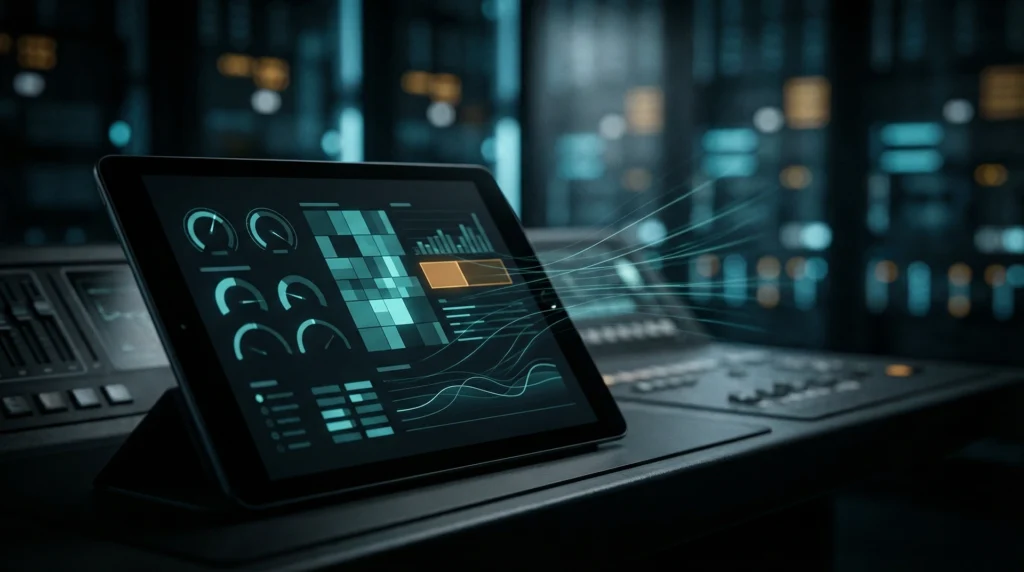
Instead of piecing together separate logs, you get real-time views of temperatures, humidity, and cooling capacity utilization in one place. It’s the quick ‘cockpit view’ that lets facilities and IT see, at a glance, how hard the plant is working and where margins are getting tight.
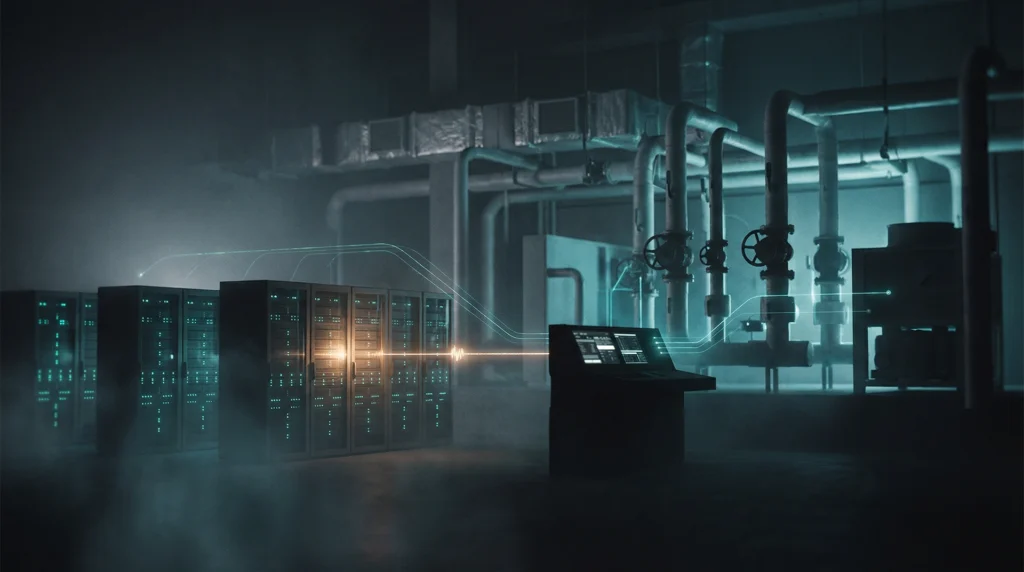
By sharing data between HVAC, power, and IT loads, you get a clearer picture of capacity, risk, and where optimization actually makes sense. That might mean tying chilled-water trends into DCIM, or giving your BMS visibility into IT load changes before they become hot spots.
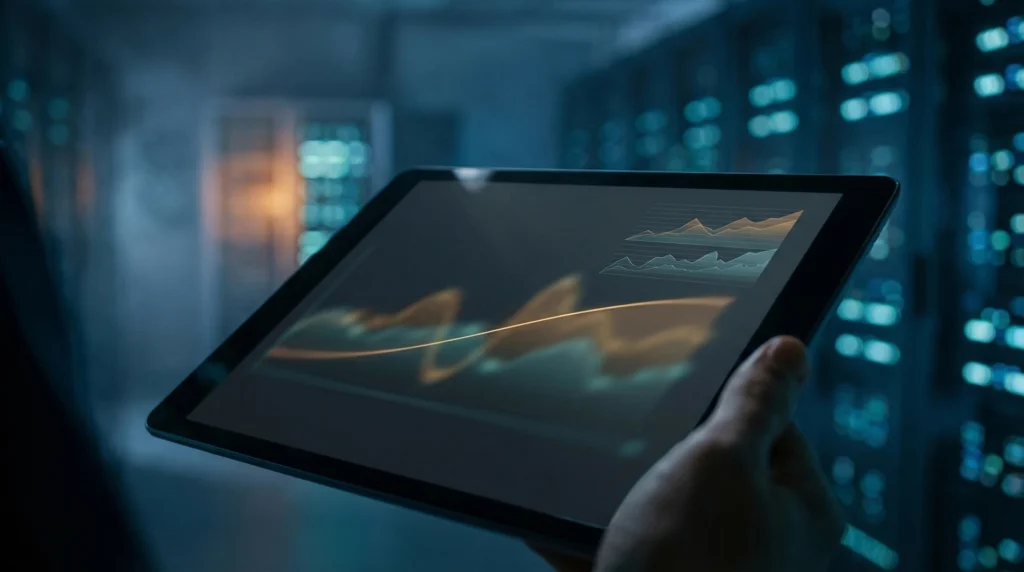
Not all problems show up as instant failures. Advanced alarming and trend logs help you spot slow drifts, emerging hot zones, and recurring patterns long before they become incidents. When something does go wrong, historical trends make root-cause analysis faster.
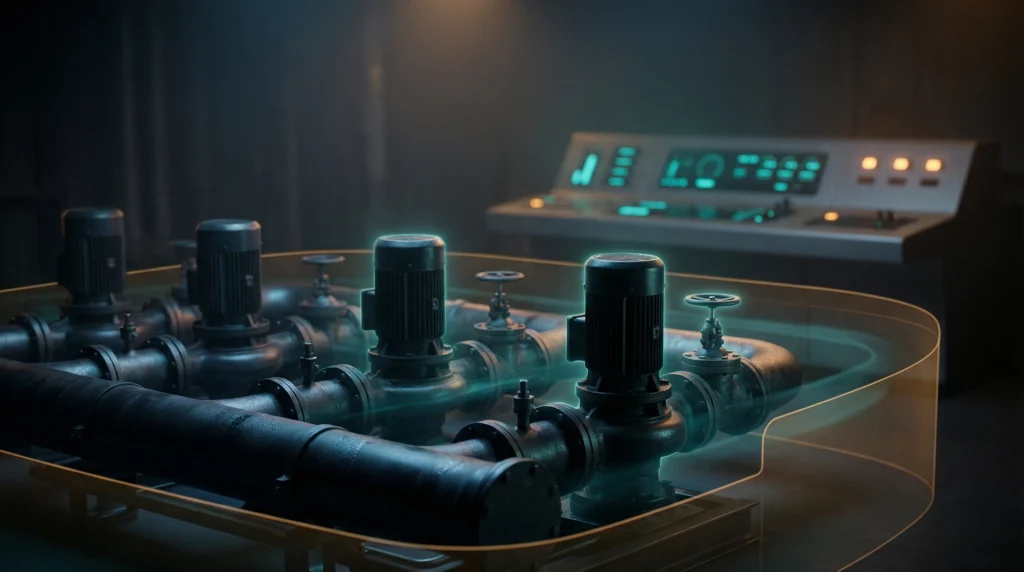
The right control strategy can save energy without gambling on uptime. Our dealers help implement sequencing and setpoint optimization, like adjusting chilled-water temperatures and tuning airflow so systems run efficiently while staying inside safe operating margins.
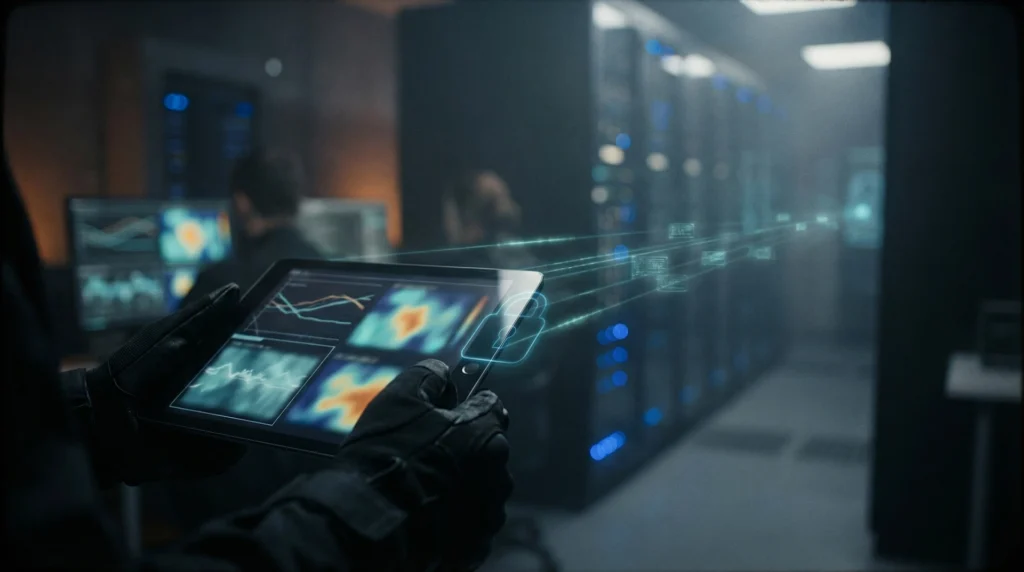
Teams need to manage all of this without being chained to the site. With secure, role-based remote access, facilities and IT staff can monitor conditions, acknowledge alarms, and fine-tune the thermal system wherever they are without compromising security or control.
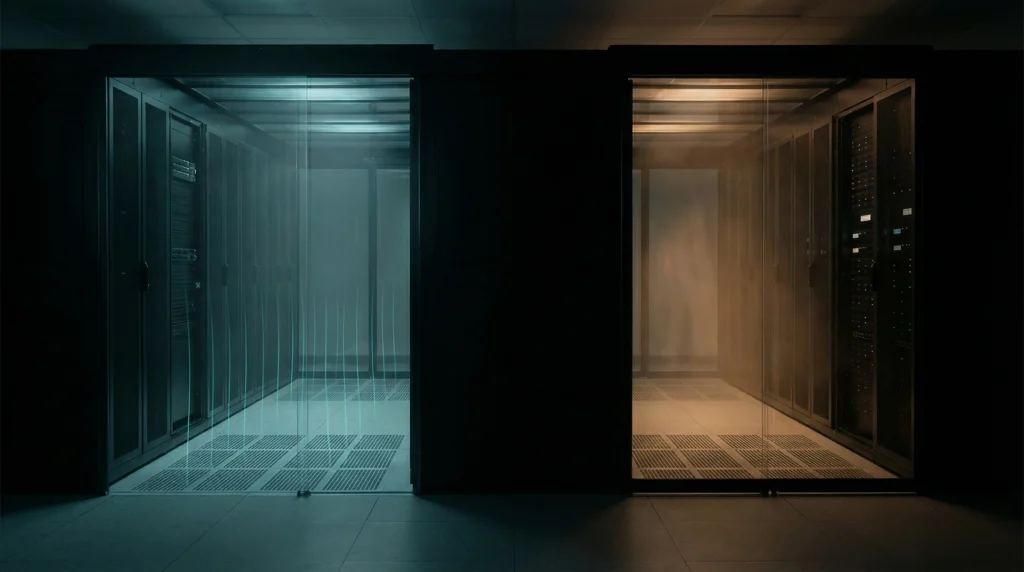
In the white space, the job is simple to describe and hard to do: Keep conditions tight and predictable. Our dealers design systems for precise temperature, humidity, and airflow control, supporting hot/cold aisle containment, slab or raised floors, and the airflow patterns your layout demands. The goal is to keep hardware in its comfort zone without burning through extra capacity to get there.

People don’t want to work in server room air. Our dealers create separate HVAC zoning and filtration for offices, break areas, and support rooms that sit next to data halls, so staff don’t feel equipment heat, noise, or frequent temperature swings. That separation also keeps office-generated dust and contaminants from drifting into critical IT areas.
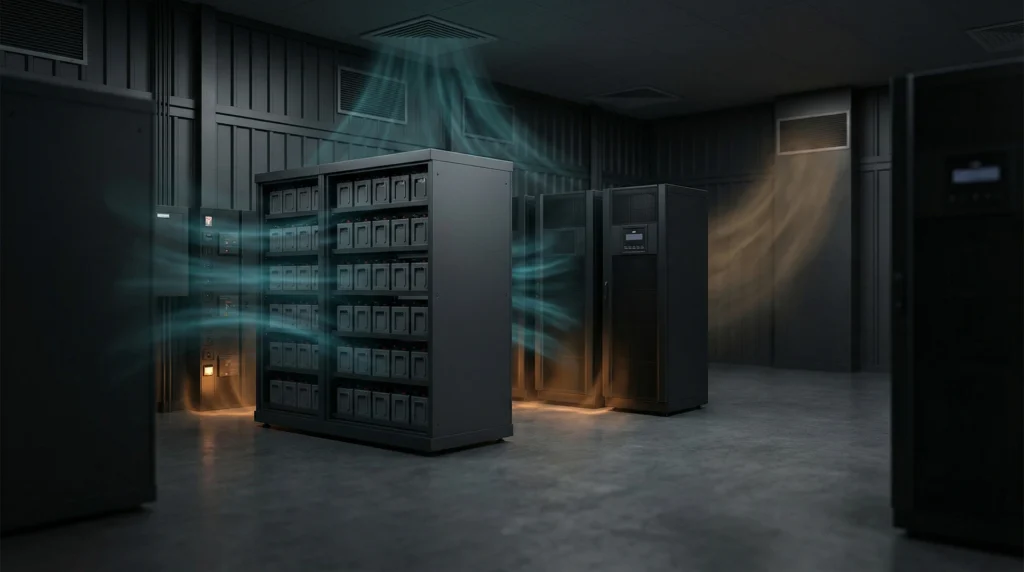
Battery rooms, UPS spaces, and electrical rooms each come with their own thermal and ventilation requirements. Our dealers design ventilation and cooling strategies tailored to the equipment and safety codes, helping manage heat, off-gassing where applicable, and airflow patterns that support both performance and compliance.
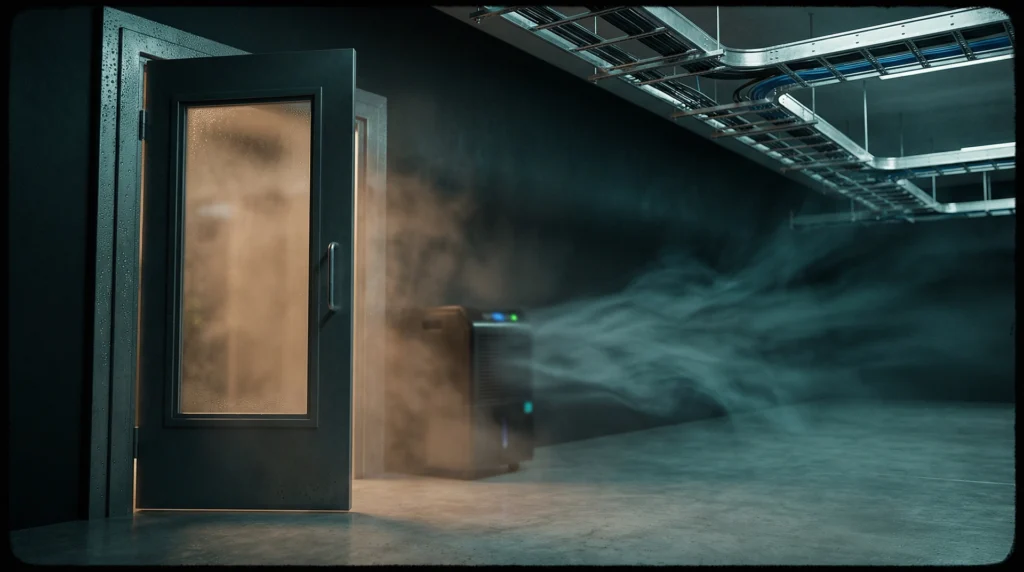
In Houston, managing moisture is half the battle. Our dealers look at the whole picture and match it with dehumidification tuned to Gulf Coast conditions. That helps protect equipment, cable trays, finishes, and adjacent spaces from condensation, corrosion, and the slow creep of humidity that can quietly undermine reliability over time.
Corporate and single-tenant data centers need predictable cooling, room to grow, and strong ROI on every infrastructure upgrade. Our dealers help you modernize thermal systems without disrupting the business that depends on them.
Colo operators live and die by uptime, SLAs, and efficiency. Our dealers support flexible, multi-tenant cooling strategies that handle different densities, changing customers, and evolving service tiers under one roof.
At hyperscale, every design decision is multiplied across megawatts. Our dealers connect you with Trane’s advanced chiller, plant, and liquid-cooling solutions - plus local insight on how to make them work in Gulf Coast conditions.
Distributed, near-user compute calls for compact, efficient cooling that’s easy to deploy and monitor remotely. Our dealers help design right-sized solutions for rugged sites, closets, and micro data halls that still demand big-league reliability.
When IT lives inside a hospital, campus, or industrial facility, it can’t ride the same comfort band as the rest of the building. Our dealers provide dedicated cooling strategies that protect patient care, research, and production systems.
Network rooms and POP sites run hard, often in tight spaces with unusual room layouts. Our dealers help manage heat in these telecom environments with reliable, serviceable cooling that fits the footprint you actually have.
From a single server room to a whole floor of IT, our dealers decouple critical loads from standard office HVAC, so your compute doesn’t depend on the comfort schedule of the people in cubicles next door.
Control rooms and NOCs need cooler, quieter, and more stable conditions than the plant or warehouse around them. Our dealers design targeted solutions that keep operators comfortable and displays/electronics within spec.
Whether you’re cooling a small on-prem server room, expanding a colocation site, or planning a brand-new data hall, Houston Trane dealers can help you shape a thermal management plan that balances uptime, efficiency, and long-term scalability. Our dealers focus on keeping your racks cooler, your energy use smarter, and your operation ready for whatever the next wave of high-density computing brings.