
Create healthier classrooms, more comfortable labs, and campuses that run lean, even in Houston’s heat and humidity. Houston Trane connects districts and universities with local installers and right-fit Trane and Mitsubishi systems, backed by smart controls and proven IEQ strategies. From day-to-day comfort to long-term efficiency, you’ll get local support that keeps education on schedule.

Our dealers target dry comfort - dehumidification without overcooling - so classrooms feel crisp, not chilly. Smart coils, DOAS/ERV strategies, and inverter-driven equipment keep RH in check while holding setpoints that help focus and reduce that musty smell after a weekend shutdown.
Let’s face it: many campuses are patchworks of additions and older wings. Our dealers design phased upgrades that can run over breaks and seasons, leveraging energy savings to fund the next phase. The goal is predictable spend, fewer surprises, and minimal disruption during instruction.
Temperature, humidity, filtration, ventilation, and acoustics all shape learning outcomes. Our dealers tune each lever (MERV ratings, outside air, sound levels), so classrooms stay comfortable and quiet, labs stay safe, and attendance (and satisfaction) trend the right way.
Schools don’t run 9 to 5. With daypart schedules, assemblies, testing days, summer school, Friday nights in the gym, loads swing hour by hour. Our dealers use zoning, BAS scheduling, and demand ventilation so you target only what’s in use, when it’s in use.
Districts and universities need clean documentation for audits, grants, incentives, and ESG reporting. Connected controls provide trend logs for temp/RH/CO₂, verified outside-air delivery, and exportable reports your admin team can actually use.
For large shared spaces, a central system is your campus workhorse. It shines where you need consistent comfort across big volumes. Think gyms during PE, cafeterias at lunch, libraries, and auditoriums. Central also simplifies ventilation at scale, so dehumidification and fresh-air targets are met without a maze of small devices to manage. If you’re planning for the long haul, central gives you a clear framework to build on.
When comfort needs vary room by room, VRF/ductless brings control. Classrooms, labs, offices, and older wings rarely behave the same. Teachers open windows, class sizes change, and after-school programs pop up. VRF/ductless lets you dial in each zone without overhauling the whole building. Best of all, summer break is enough time for many installs, so you improve comfort without interrupting instruction time.
A hybrid approach uses central systems where they’re strongest (big common areas, steady loads) and deploys VRF/ductless in spaces that benefit from finer control (classrooms, specialized labs, older additions). The result is targeted comfort, lower waste, and upgrades you can phase in without closing buildings or blowing the budget. It’s a practical path to modernize now and keep options open for tomorrow.
Get a single pane of glass for every school and building. Centralize alarms, trends, schedules, and setpoints. Check status from your phone or command center. Apply district-wide standards without sending a technician on-site.
Match conditioning to reality, not the calendar. Sync with bell schedules and events, add testing day or holiday modes, and pre-cool only the spaces in use. No more chilling empty wings on a Saturday.
Turn data into budget wins. Spot drifting setpoints, validate fixes with trend logs, and export reports to support incentives, grants, and compliance. Baselines today = measurable savings tomorrow.
Give staff simple, bounded control (warmer/cooler, temporary overrides) while the district maintains the guardrails. Comfort stays local. Energy and standards stay consistent.
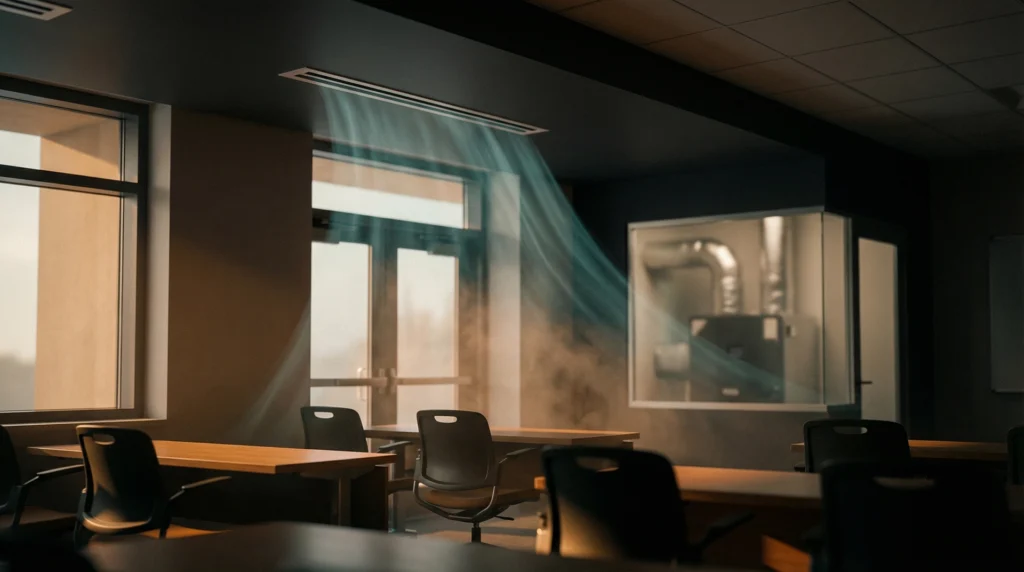
Use DOAS/ERV to deliver code-compliant ventilation without overcooling. Heat and moisture are handled at the source, so classrooms feel ‘dry comfortable’ and central systems don’t work overtime.
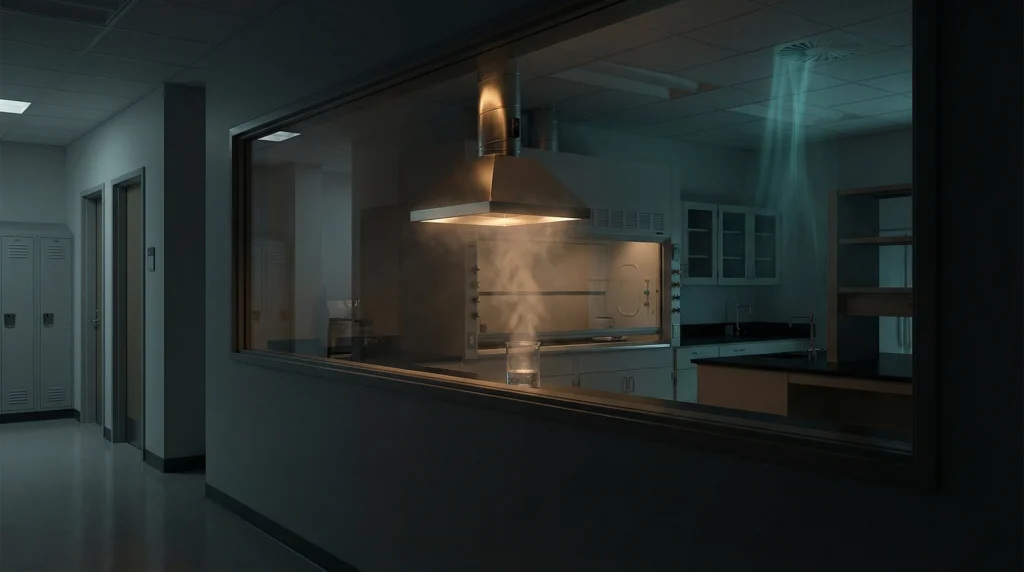
Target high-load and odor-prone areas, such as labs, restrooms, and kitchens, with dedicated exhaust. Pull contaminants out quickly, then backfill with tempered, filtered outside air to maintain balance.
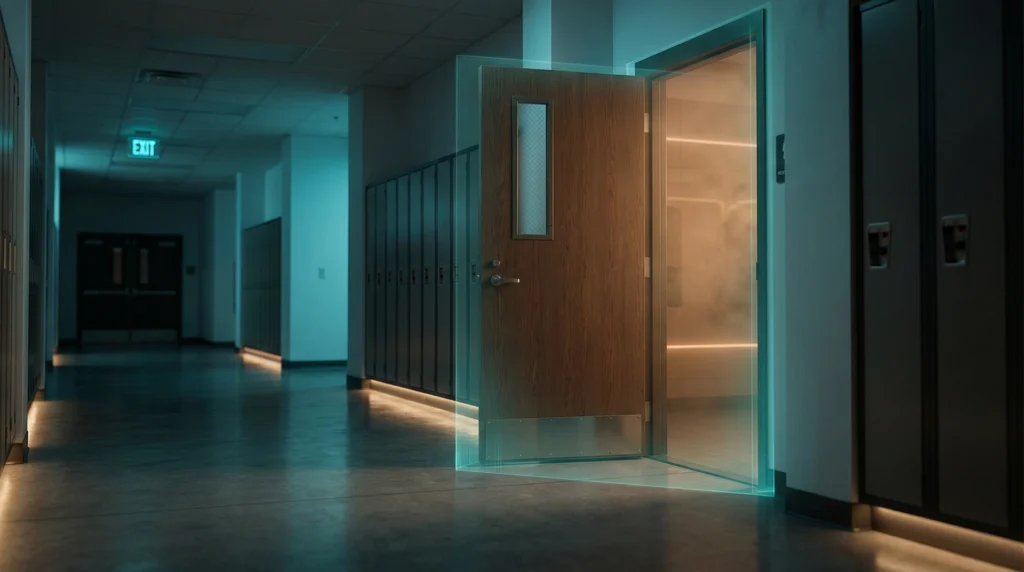
Hold the right pressure by zone so odors and contaminants don’t wander between rooms or wings. Clear door-swing and corridor strategies keep airflow moving the right way.

Deploy high-efficiency filtration matched to each space type. Add supplemental purification where it makes sense. The result: fewer particulates, better perceived air quality, and steadier comfort.
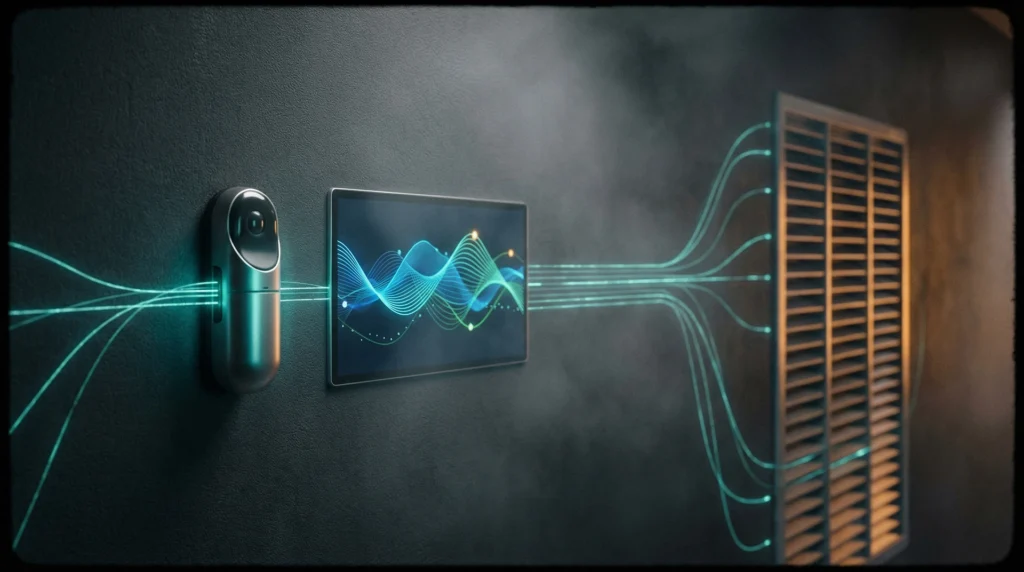
Continuously track temp, humidity, ventilation rates, and pressure. Alerts flag drift before it becomes a complaint, while exportable trends support audits, grants, and district or campus dashboards.
From single-campus districts to sprawling universities, our dealers tailor HVAC strategies to the way education actually runs. Bells, labs, practices, late study hours, and everything in between.
Elementary, middle, and high schools: Quiet classrooms, stable temps, right-sized ventilation for attendance peaks. Athletic facilities & gyms: High-capacity airflow and humidity control that can handle game nights. Cafeterias & kitchens: Makeup air, exhaust balance, and comfort where heat loads spike. Auditoriums & performing arts: Low-noise systems and precise setpoints for packed theaters and rehearsals.
Universities, community & technical colleges: Campus-wide strategies with building-by-building controls. Science buildings & labs: Tight temperature/humidity bands and proper pressurization. Libraries & student centers: Quiet operation, demand ventilation, and daypart scheduling.
Labs, maker/STEM rooms & music suites: Filtration and airflow tuned to equipment and acoustics. IT/server rooms: Targeted cooling with alerts and redundancy options. Natatoriums (indoor pools): Aggressive dehumidification and corrosion-minded design. Dorms/res halls: Room-by-room comfort with energy guardrails.
Admin buildings & maintenance shops: Reliable comfort with simple, enforceable schedules. Central plants: Efficiency upgrades, coastal-ready materials, and service access. Campus police/clinics: 24/7 zones with stable temps and quick recovery.
From classrooms to labs and residence halls, our dealers will help you design a plan that improves comfort, controls humidity, and stretches budgets – without derailing the school year. Start with your zip code to connect with local installers and build a solution that truly fits your facility’s needs.